

Rooted Reasons
What if your body is talking to you?
What would it say?
How can you understand what it is saying?
I’m happy you found rooted reasons where I will pose WHY your body likes, wants or even needs something.
Curious! Continue Reading!
Rooted Reason #3
Why your brain goes nuts for walnuts?
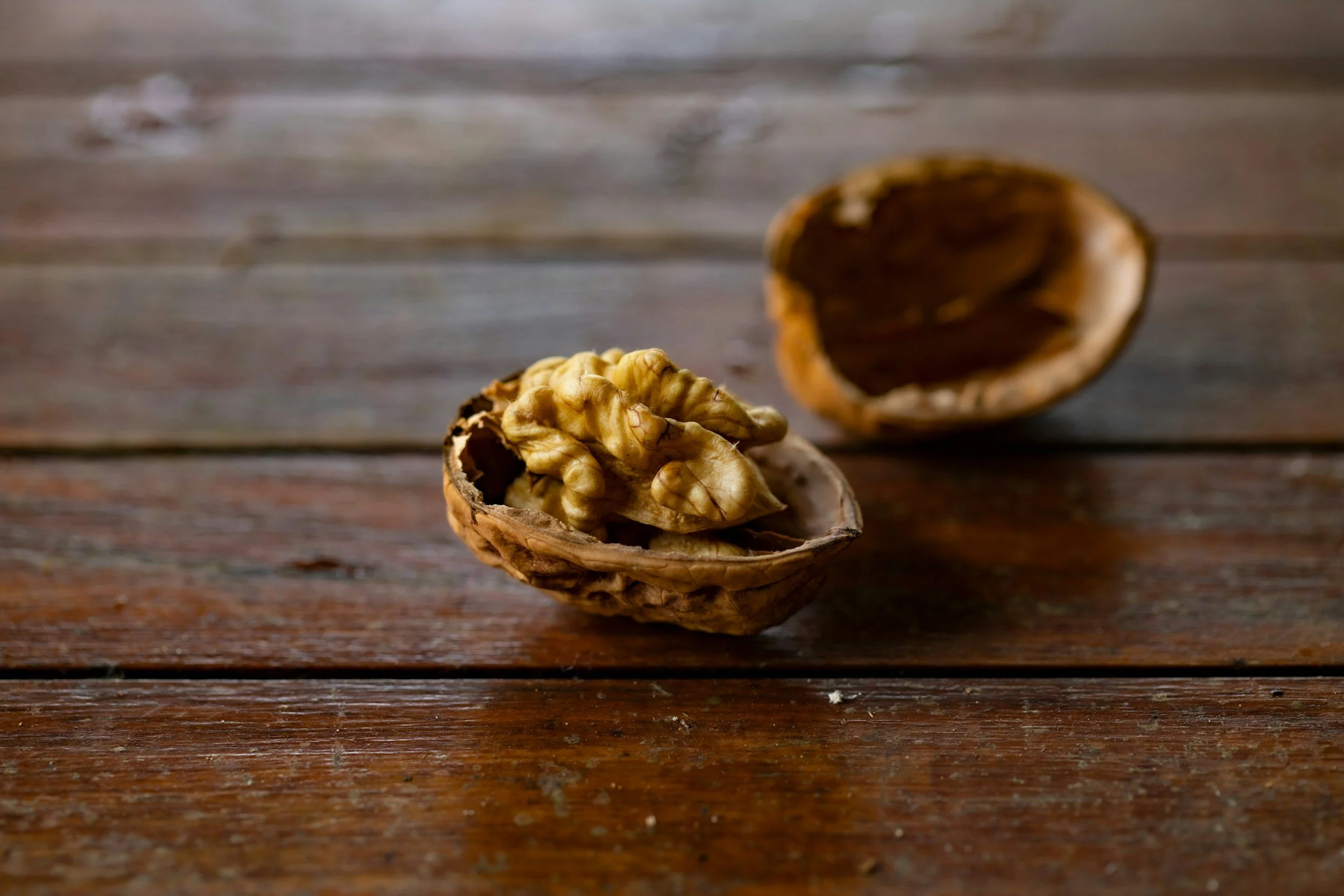
When you look at a walnut, you might notice something familiar—it resembles a tiny brain! A funny coincidence or is it because walnuts contain nutrients that support brain health. Either way, this makes them a delicious addition to a brain-supporting eating pattern.
Walnuts are part of the nuts category in the MIND diet, a dietary pattern developed to emphasize foods associated with cognitive health as we age.
What Makes Walnuts Special?
🟢 Alpha-linolenic acid (ALA)
Walnuts contain ALA, a plant-based omega-3 fatty acids that help manage inflammation
🟢 Polyphenols
Plant powered antioxidants that support brain health by fighting oxidative stress and increasing blood flow to the brain
🟢 Vitamin E
Nutrient that helps protect the brain cells from damage and encourages repair and restoration of brain cells
🟢 Fiber
Supports gut health and that critical relationship between the gut and brain by feeding the gut microbiome
The MIND diet & Nuts
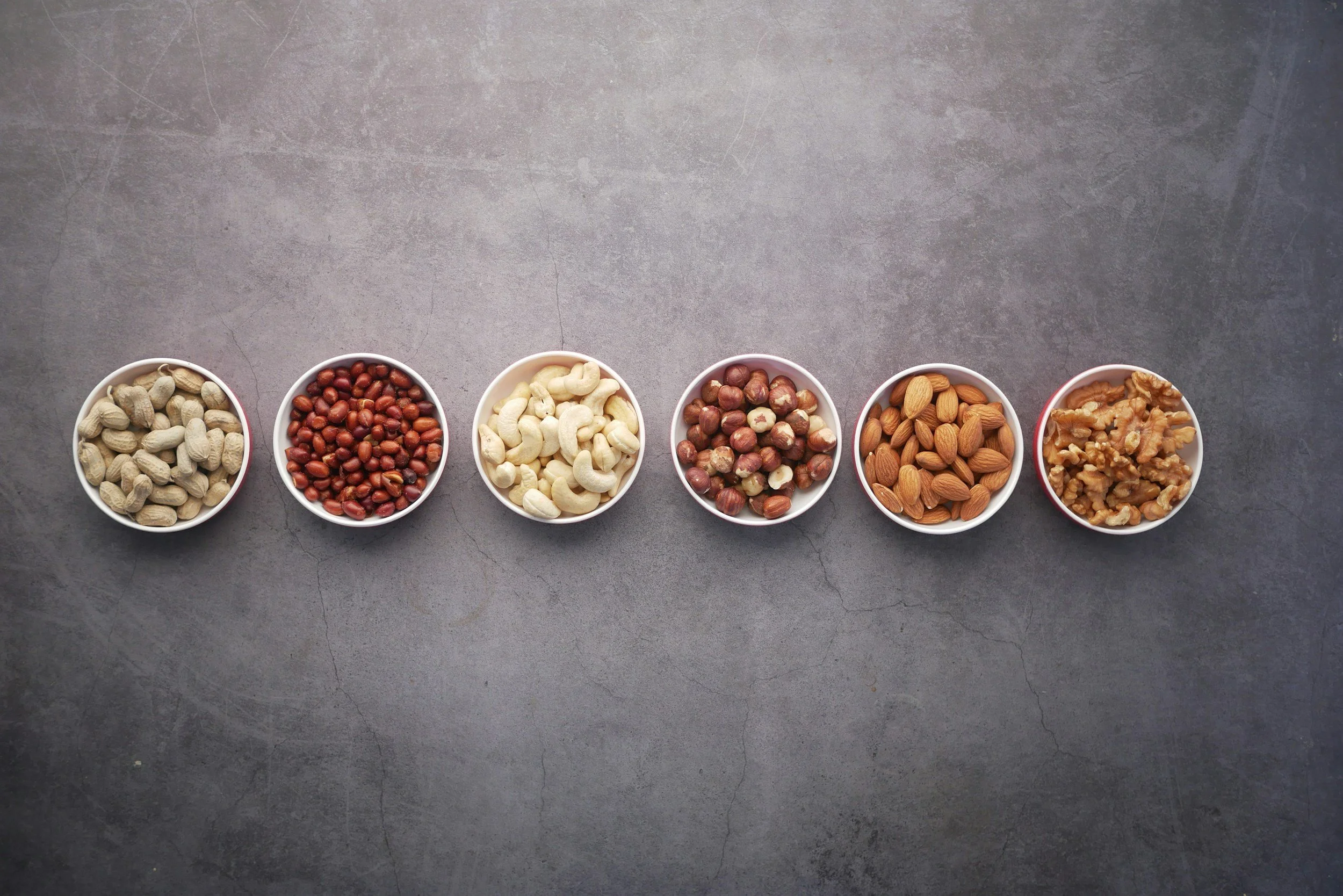
The MIND diet encourages including nuts at least 5 times per week. A serving can be as simple as a small handful of walnuts.
🌱 How I like it
🟢Adding a handful of nuts to yogurt
🟢 Simply trail mix – handful of nuts, sprinkle of goji berries and dark chocolate chips
🟢 After dinner/bedtime snack of pistachios and/or walnuts
🌱 NBTR Takeaway
Supporting brain health doesn't have to involve a complicated diet.
Sometimes it is a handful of walnuts, a bowl of berries, and the leafy greens you add to your plate.
🌱 Small choices. Whole foods. Strong roots 🌱
Rooted Reason #2
Why does your brain loves blueberries?
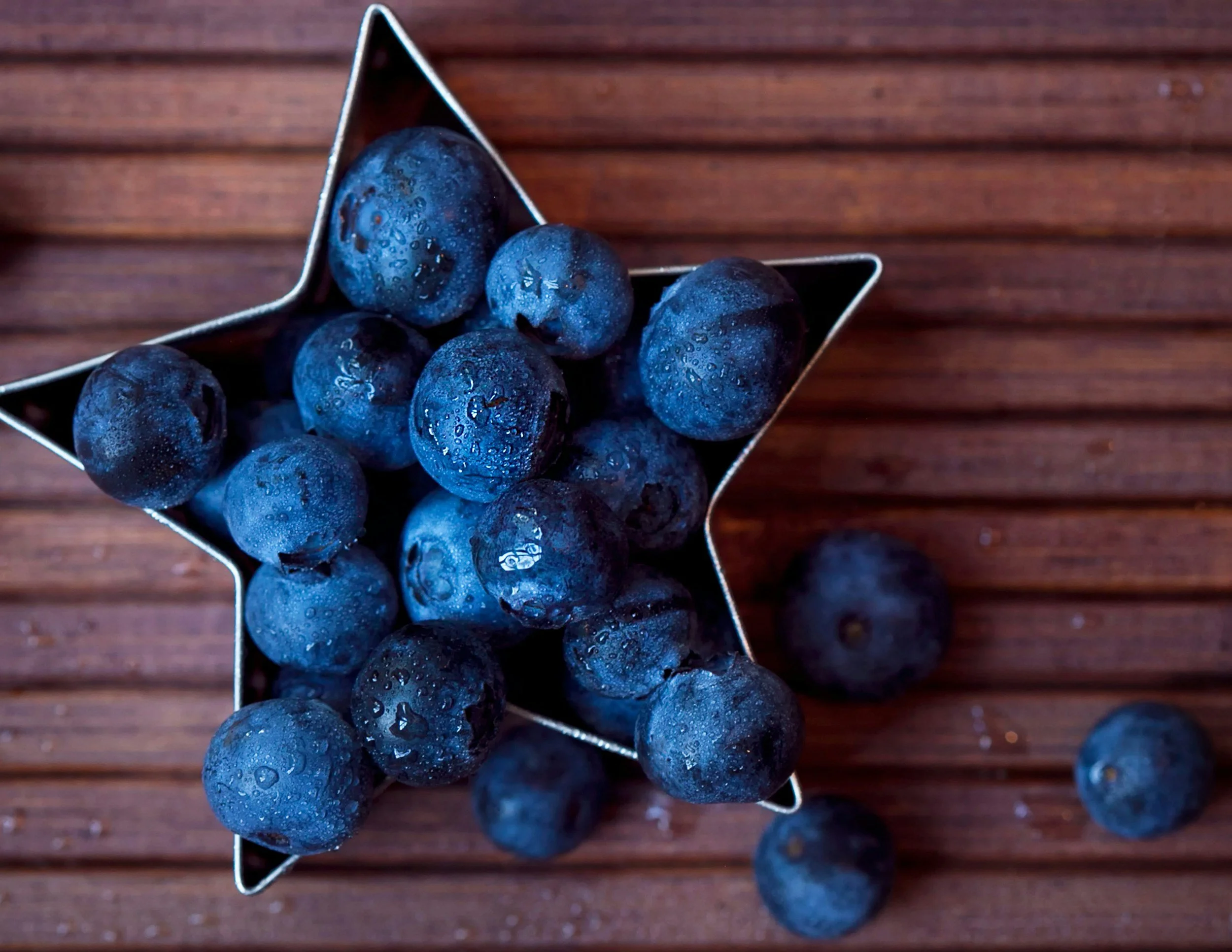
We’ve seen those gorgeous deep blue, purple and red shades in our plant friends like blueberries, purple sweet potatoes & blackberries. It turns out your brain has many reasons to love them.
The compound that gives fruits and vegetables those blue hues are anthocyanins.
And it turns out that anthocyanins may support the brain by:
🟢 Supporting healthy blood flow to the brain
🟢 Helping the brain manage inflammation and oxidative stress
🟢 Strengthening connections and communication in the brain
🟢 Keeping the blood vessels flexible and pliant
🟢 Keeping the blood vessels flexible and pliant
Additionally, blueberries and the like fuel the microbes in the gut with fiber which can help calm inflammation and support the communication between the gut-brain axis.
🌱 NBTR Takeaway:
🟢 Digging a little deeper:
The MIND DIET aka the Mediterranean-DASH Intervention for Neurodegenerative Delay is a specific diet that is focused on protecting brain health and lowering the risk of mental decline. And guess what? Berries including blueberries, blackberries, strawberries & raspberries are among the many foods highlighted in this eating plan.
🟢 There’s more: Anthocyanins beyond the berries
Other anthocyanin rich food sources are:
Butterfly pea flower
Tart cherries
Purple/black grapes
Red cabbage
Purple potatoes
Purple sweet potatoes
Black/purple rice
Purple carrots
🌱 How I like it:
Diversity is the spice of life so I try to get in a variety of these blue-hued foods. I throw blueberries into smoothies or oatmeal, drink a cup of butterfly pea flower, or add red cabbage to salads.
Keep in MIND to
Embrace the Blues
Enjoy the Purples
Remember the Reds
🌱 NBTR Takeaway:
The color isn’t just pretty – there’s a rooted reason why your brain loves these hues
Stay tuned for the rooted reason why your brain goes nuts for walnuts
Rooted Reason #1
My body WANTS chocolate!
What is my body trying to tell me?
🟢 You may need more magnesium.
Dark chocolate (70% cacao or greater) is naturally rich in magnesium, an essential mineral involved in hundreds of processes throughout the body. A diet low in magnesium-rich foods—such as leafy greens, legumes, nuts, and seeds—may contribute to inadequate intake.
🌱 NBTR Takeaway:
Include magnesium-rich foods such as pumpkin seeds, spinach, black beans, almonds, cashews, edamame, and other leafy greens.
🟢 You could be feeling stressed.
Chocolate contains naturally occurring compounds that may stimulate the brain's happy and reward pathways temporarily improving mood, which could be a reason many people crave it during stressful times.
🌱 NBTR Takeaway:
Support your body with stress-relieving habits such as walking, talking with a friend, deep breathing, journaling, spending time outdoors, meditation, or gentle stretching.
🟢 Are you hungry?
Skipping meals can lead to drops in blood sugar and increases in hunger hormones, making quick sources of sugar especially appealing.
🌱 NBTR Takeaway:
Eating balanced meals that include protein, healthy fats, fiber-rich carbohydrates, and colorful produce throughout the day helps stabilize blood sugar, regulate hunger hormones, and reduce cravings.
🟢 Your brain may appreciate dark chocolate.
Dark chocolate (70% cacao or greater) is rich in plant compounds called flavanols, especially epicatechin. Research suggests these compounds may support healthy blood flow to the brain, cognition, mood and healthy brain aging.
🌱 NBTR Takeaway:
If you enjoy chocolate, choose a small portion of 70% or higher dark chocolate and savor it as part of an overall balanced eating pattern rich in fruits, vegetables, legumes, nuts, seeds, and whole grains.
🟢 Maybe you simply love chocolate!
Sometimes a craving isn't a nutritional deficiency or a stress response—it may simply be because chocolate tastes wonderful.
🌱 NBTR Takeaway:
Food is meant to nourish the body and the spirit. Enjoying chocolate can absolutely be part of a balanced eating pattern.
